इति ह आस · "thus indeed it was"
DECODING ITIHASA
India's Epics, Read Against the Evidence
Indian tradition files two works under Itihasa — not myth, not poetry, but "what happened": Valmiki's Ramayana and Vyasa's Mahabharata. This project reads each epic against the sky it describes, the rivers and metals it names, the archaeology of the places it walks through, and the many regional versions it became.
The Epics
Ramayana
Valmiki
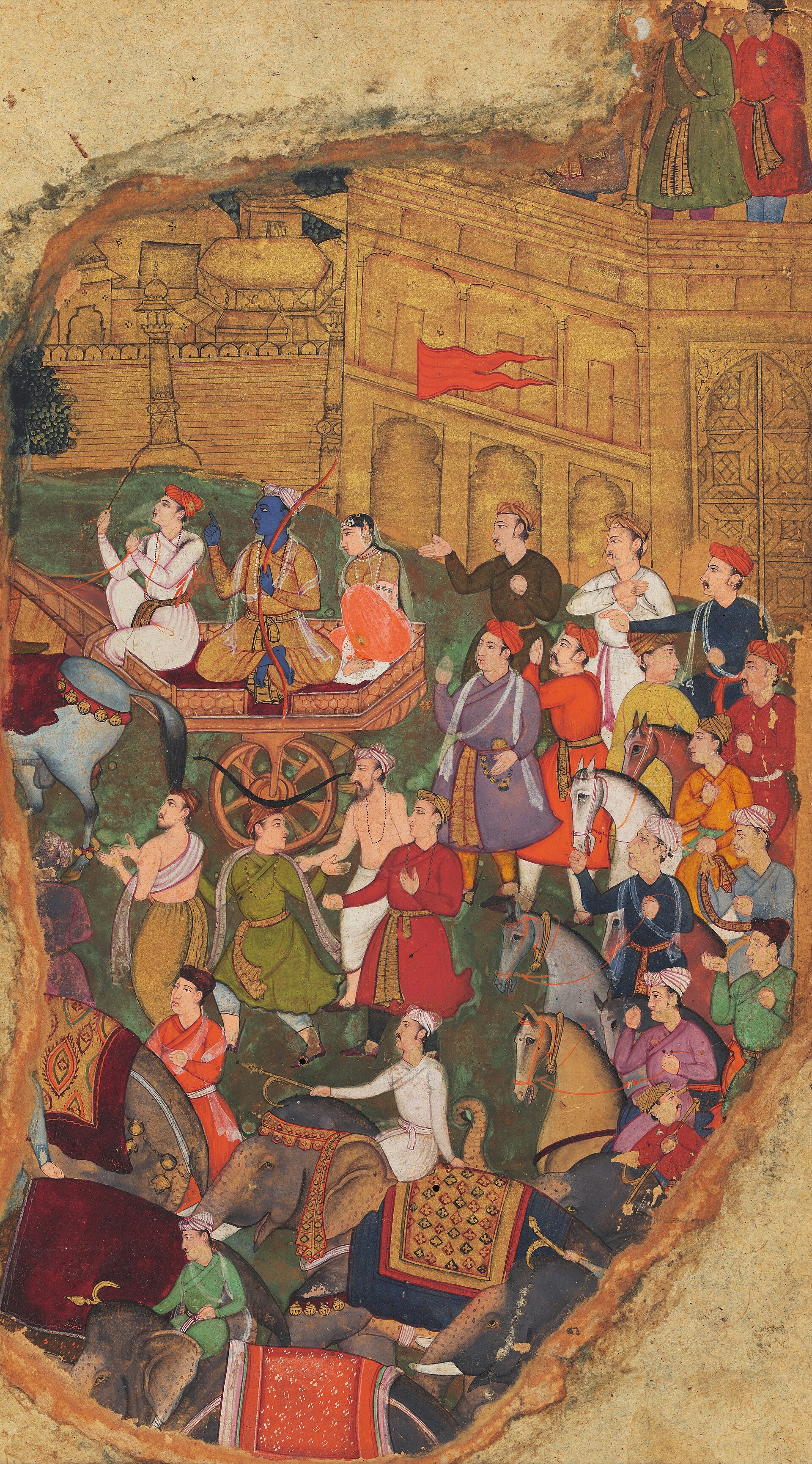
The epic in its seven Kandas, the planetary positions at Rama's birth, the Saraswati and the metals of the text, the Vanaras, Rama Rajya and the Setu, the epic's journey across Asia, and the many Ramayanas it became.
Mahabharata
Vyasa
Being researched now: the astronomical dating debate around the Kurukshetra war, the archaeology of the Kuru heartland, the Dvaraka marine surveys, the Bhagavad Gita, and the regional Mahabharatas — from Ezhuthachan's Malayalam Kilippattu to Pampa's Kannada and the wayang of Java.
Opening nextOne method, every epic
Every claim names its source
Who dated it, who surveyed it, who disputes it. Where a citation is still pending, the page says so.
The text in its own words
Key verses are quoted in the original Sanskrit, checked against published editions, then translated.
Six languages
English, Hindi, Malayalam, Sanskrit, Bengali and Tamil — the epic belongs to all of them.